Designing for Littleton
What we weigh in a Littleton home
Littleton was incorporated in 1890, and its homes run from historic downtown houses to postwar ranches, so the right answer depends a lot on when yours was built. Here is what changes the recommendation.
Original windows in the historic districts
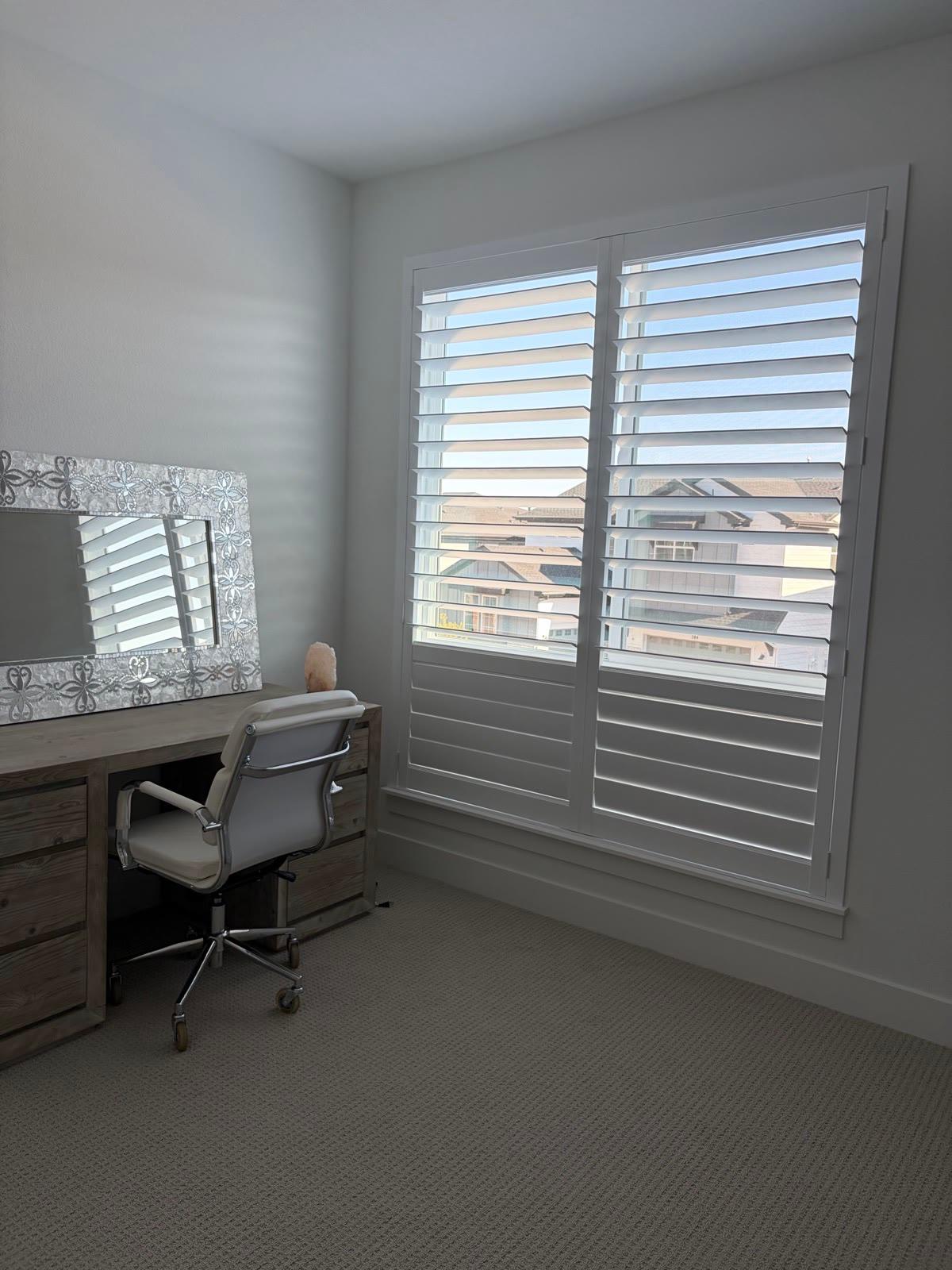
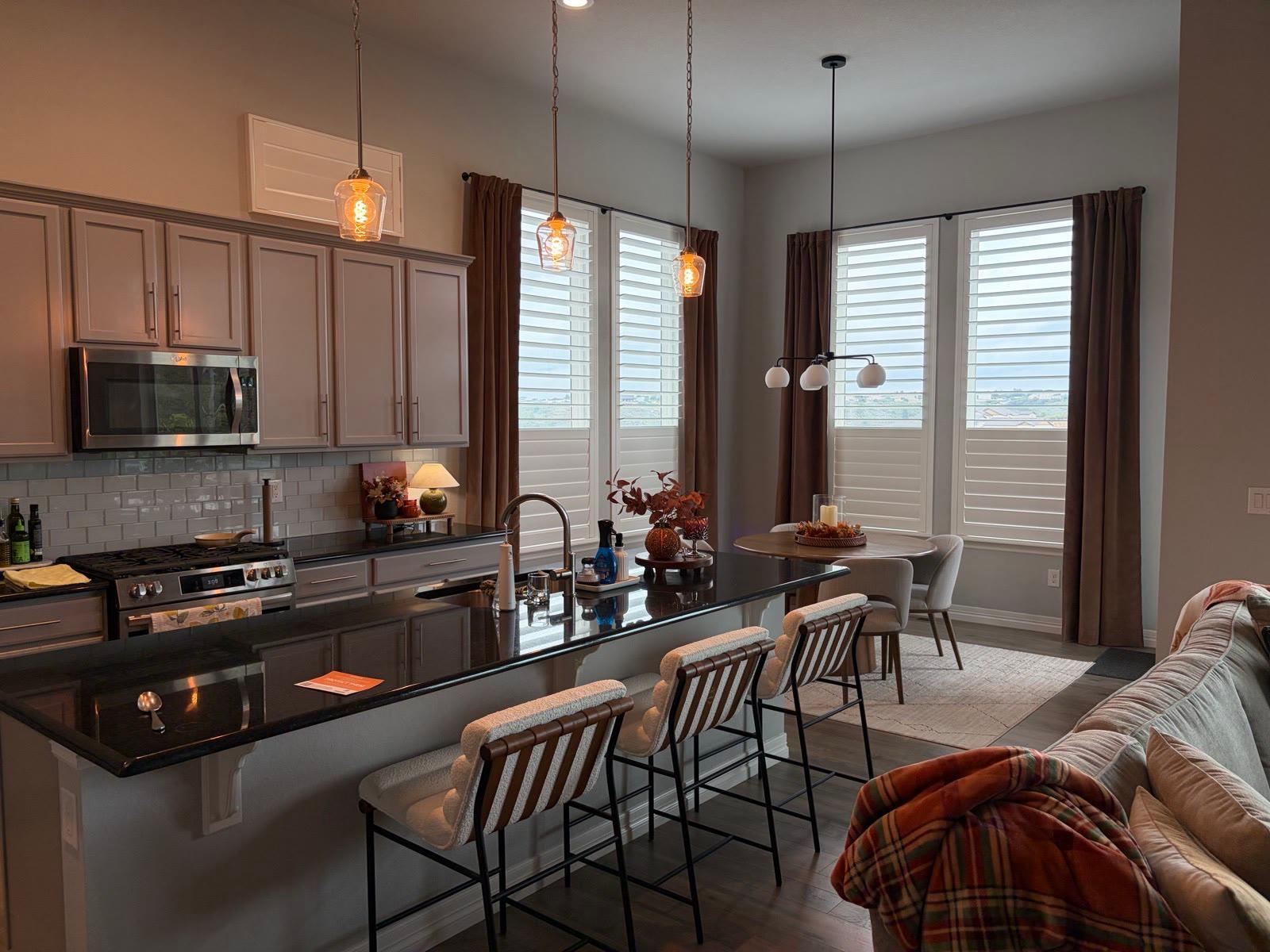
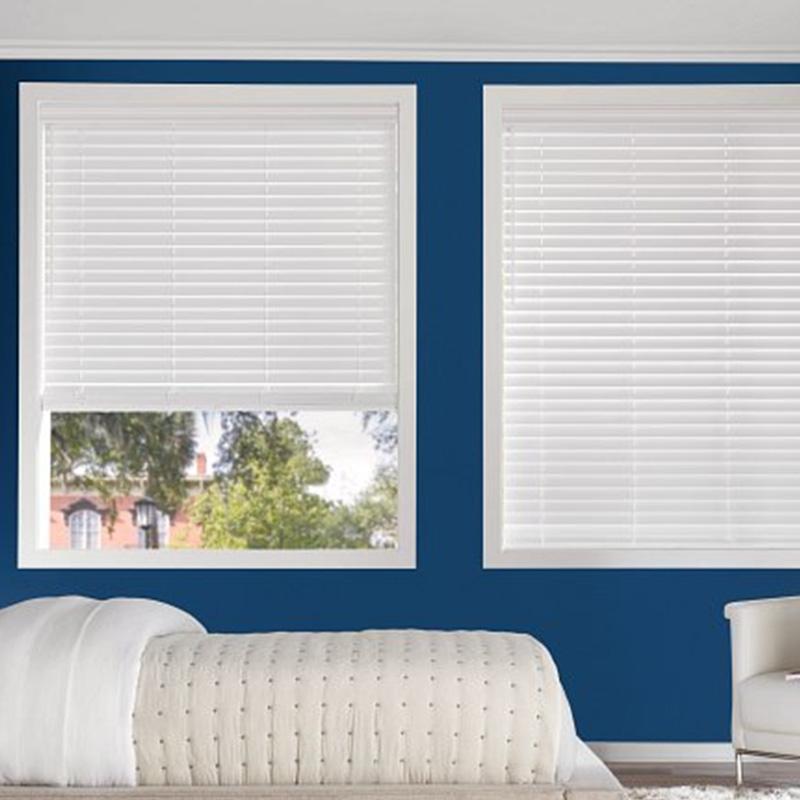
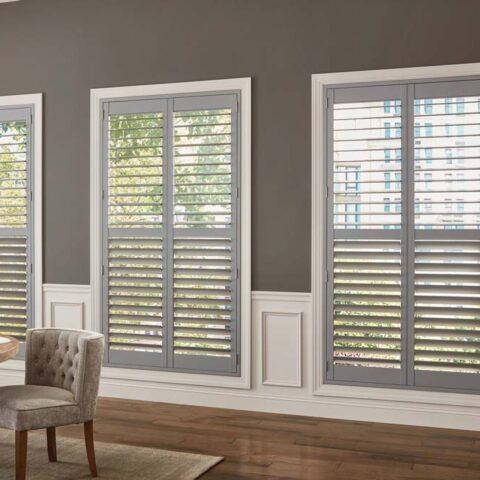
Downtown Littleton became a historic district in 2021, and exterior changes there go through the city's design review. The guidelines for the Louthan Heights historic district favor keeping and repairing original wood windows. If you are keeping old wood windows, we look at the trim first and tell you which mount it can take. Wood shutters and fabric Roman shades both suit a house of that age.
Postwar ranches and split-levels
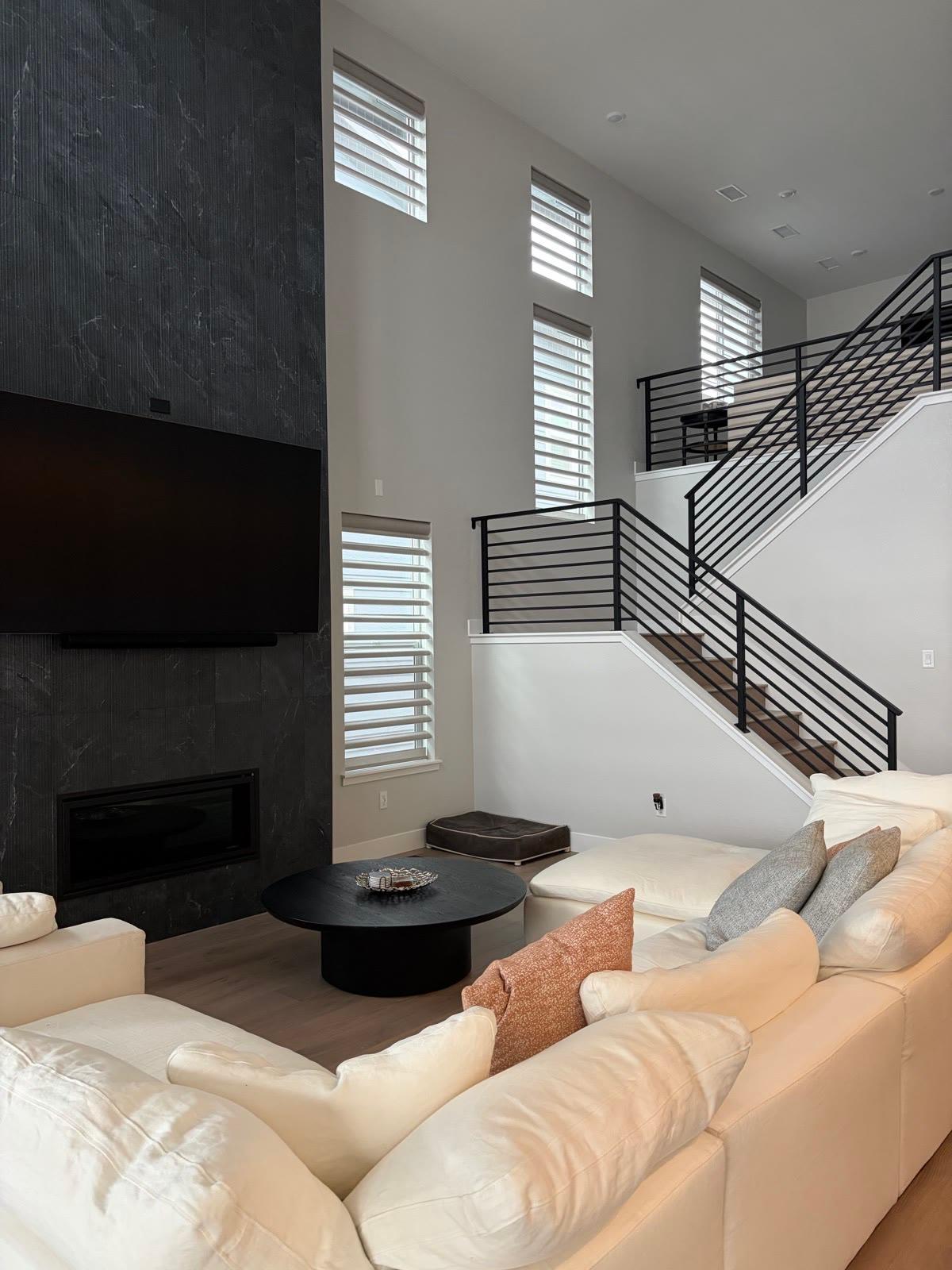
Ketring Park went up in the late 1950s and early 1960s, Progress Park is mostly postwar ranch and mid-century homes, and Goddard is largely 1970s and 1980s brick ranches. Windows in houses this age are rarely standard sizes, and a split-level puts them at several heights along one stair run. Every shade we sell is made to your measurements, so an odd size is just another number on the order.
A modernist neighborhood on the National Register
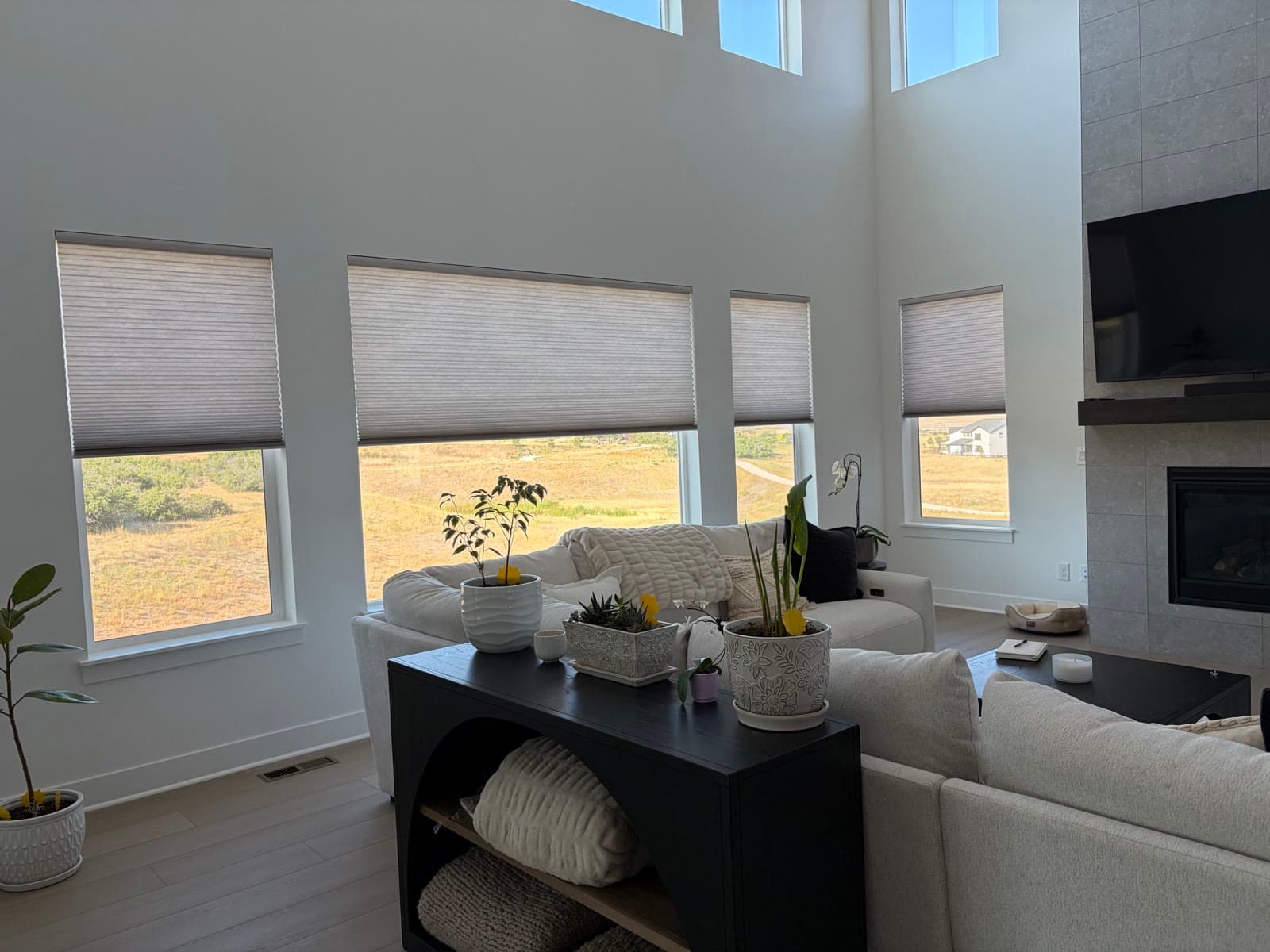
Arapaho Hills was platted in 1955 as a modernist subdivision and is home to the 1958 Better Homes and Gardens Idea Home; its National Register nomination was approved in 2012. Modern houses from that era lean on large panes of glass. Sheer or honeycomb shades soften the light without hiding the architecture, and motorized shades take care of the panes nobody can reach.
Sun and heat at 5,400 feet
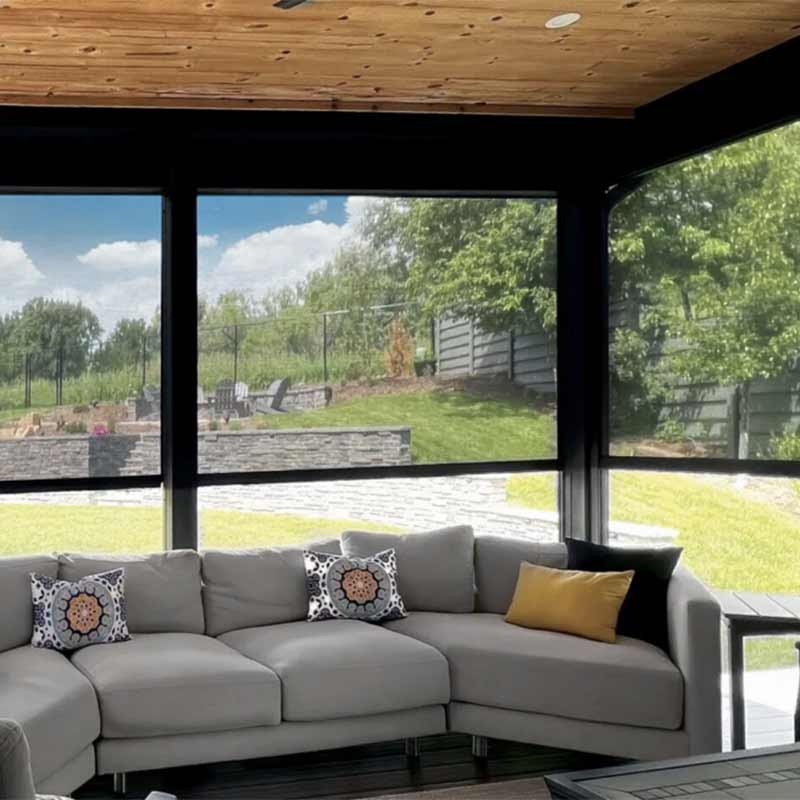
Littleton sits at about 5,400 feet, and the city's climate page lists extreme heat and wildfire smoke among the hazards it plans for. On glass that faces west toward the foothills, a honeycomb shade adds a layer of insulation and a screen shade cuts glare while you keep the view. We will tell you which rooms actually need it and which do not.